
Newcomb’s Auto Sales • Buyer Resources
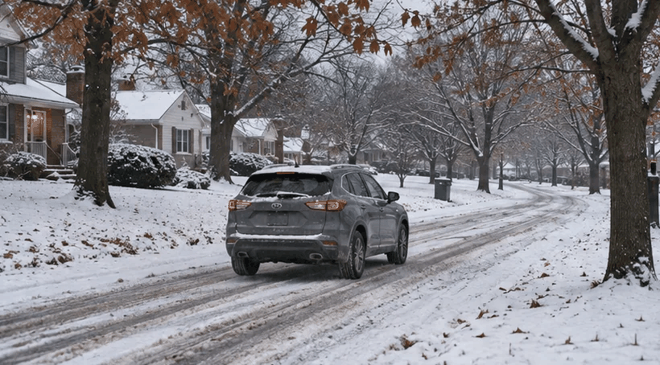
The best used SUVs for Michigan winters have four suitable tires, a solid maintenance history and enough clearance for the roads you drive. AWD can help you pull away on slick pavement or climb a snowy grade. A well-maintained front-wheel-drive SUV can be a sensible buy if your commute is mostly plowed and you have room in the budget for good winter tires.
Start with the roads you actually drive
A commute on I-75 and a first shift that starts before your subdivision gets plowed call for different things. Put the hardest regular mile of your drive first. That might be a steep driveway, a stretch of untreated road or a tight parking lot where you need good visibility around snowbanks.
For a mostly plowed commute, shortlist compact crossovers such as the Honda CR-V, Toyota RAV4 or Subaru Forester, then confirm the drivetrain and tire size on the exact vehicle. If you regularly carry adults in three rows, look at how much cargo room remains with every seat up. Try loading the stroller, hockey bag or tools you actually carry. A bigger SUV can be more expensive to fuel and fit with tires, even if the purchase prices are close.
The SUV versus minivan guide is worth reading if your biggest concern is getting children and gear in and out. Sliding doors and a low loading floor can matter every day.
Compare AWD, FWD and ground clearance
| Your typical route | What to prioritize | Check in person |
|---|---|---|
| Plowed city streets and highways | Good tires, predictable steering and clear visibility | Mirror adjustment, wiper coverage and defroster response |
| Sloped driveway and untreated side roads | AWD and suitable tires | Matching tires and smooth low-speed turns |
| Rutted roads or recurring deep snow | More ground clearance and appropriate tires | Low bumpers, underbody damage and actual route conditions |
AWD can send power to more wheels when you accelerate. The tires still have to grip when you brake or turn. Check the owner’s manual for restrictions on tire size, tread differences and replacement. A mismatch on some AWD systems can add an expense you did not budget for. For more detail on the systems themselves, see our Michigan drivetrain comparison.
Check the tires before judging the SUV
Walk around the vehicle and read each tire’s sidewall. Check that sizes match the vehicle’s requirements and look for uneven wear across the tread. Ask how old the tires are and whether the vehicle includes a separate winter set. Get a quote for four tires in that size before comparing the SUV with another listing. Larger wheels can change the math quickly.
Consider dedicated winter tires if you often drive before roads are treated or regularly encounter snow and ice. If you are weighing all-weather tires, the three-peak mountain snowflake marking can help identify severe-snow-rated options. It does not make a tire a substitute for slowing down or increasing following distance. Review NHTSA’s winter driving guidance before the first storm.
Look for evidence of maintenance and a clean cold start
Ask for a cold start if the dealer can arrange one. Listen for noises that linger, watch for warning lights that stay on and check whether the heater and rear defroster work. During the drive, turn slowly in both directions and listen for clicking, grinding or vibration. Ask a mechanic to identify the cause of any symptom before you settle on a price.
Ask for oil-change records and check the model’s maintenance schedule for transmission, differential or transfer-case service where applicable. Have a technician look underneath for leaks and corrosion near mounting points, brake lines and structural areas. Use our Michigan rust guide to know what to ask about at the inspection.
Compare real SUV configurations in Auburn Hills
When we checked Newcombs’ listings for this guide, a 2017 Ford Edge SEL was listed with AWD and a 2019 GMC Acadia SLT-1 was listed with front-wheel drive. The Edge is an example to compare if your route includes slippery grades. The Acadia illustrates why it pays to verify the exact configuration in a listing, especially if you are shopping for three rows and assumed every example came with AWD. Inventory changes. Browse current used SUVs or call (248) 373-1422 before making the trip.
A winter-ready SUV checklist to take to the lot
Before comparing two SUVs, make a note of the installed tire sizes, whether each set matches, which maintenance records are available and how much cargo space you have with the seating you need. Then ask which work is due in the next year. If the SUV needs four tires right away, add that quote to the price before making a decision.
Frequently asked questions
Do I need AWD for an Auburn Hills commute?
It depends on the route and time you drive. FWD with appropriate tires can serve a mostly plowed commute. AWD is worth comparing if you routinely start on untreated grades or travel before plows.
Will a heavier SUV stop faster in snow?
Weight alone is a poor way to judge stopping performance. Tire grip, road conditions, speed and following distance matter every time you brake.
Can I mix two winter tires with two all-season tires?
Ask a tire professional about a matching set of four compatible tires. Mixing tire types can leave the front and rear axles with different grip in a turn or under braking.
How can I tell if the exact SUV is AWD?
Check the listing, VIN-specific vehicle information and owner’s documentation. Ask the seller to verify the configuration if the badge is missing or the paperwork conflicts.
Which repair costs should I plan for?
Price tires in the actual size, ask when major maintenance is due and get written estimates for anything the inspection turns up. Compare those expenses alongside the sale price.
More Newcombs buyer guides
Shop Used SUVs at Newcombs
Visit Newcombs Auto Sales at 3123 Lapeer Rd in Auburn Hills, or take the next step online.